Roy F. Fleming: Writings about First Nations

Teacher, artist, photographer, historian, researcher— of these pursuits Roy may have loved the study of history the most.

Born in Kilsyth, Derby Township, in 1878, son of Charles Fleming and grandson of Alexander Fleming, Roy Franklin Fleming  (1878-1958) had deep roots in Grey County where the Fleming family were pioneering settlers in the 1850s. He was almost destined to become an educationist— a specialist in education as he described himself— due to the Fleming family’s attention to education.

After formative years in the Normal School system in Ontario and several teaching assignments, Roy enrolled in the New York School of Art in 1905. Two years later (1907) he was appointed drawing master at the Ottawa Model School (later Ottawa Normal School).  For many, this might have been sufficient, but Roy’s intense interest in the history of Ontario and especially in the Great Lakes and the indigenous people led him into many other endeavours.

His love of history began with a childhood filled with stories about the Scottish homeland and the emigration to Canada. As a young teacher in Sheguiandah, Manitoulin Island in 1899, his curiosity about local history and native peoples deepened as he came to know the Assiginack family—Blackbird in English. In the years following he undertook further research to write about the oratorical skills and military genius of Sahgimah and Assiginack and bring recognition to both.

In January 1935 The Daily Sun Times published his long article—“Ottawas Defeated Invading Mohawks at Blue Mountain”—with the lengthy  subtitle “Contingent of Warriors from Owen Sound, Saugeen, and Meaford Indian Villages Aided  Ottawas and Objibways (sic)  of Manitoulin Island Massacre Invading Iroquois —Chief Sahgimah Led Indians of This District in Bloody Battle.” (1)

Continue reading

Robbie Burns Day –January 25

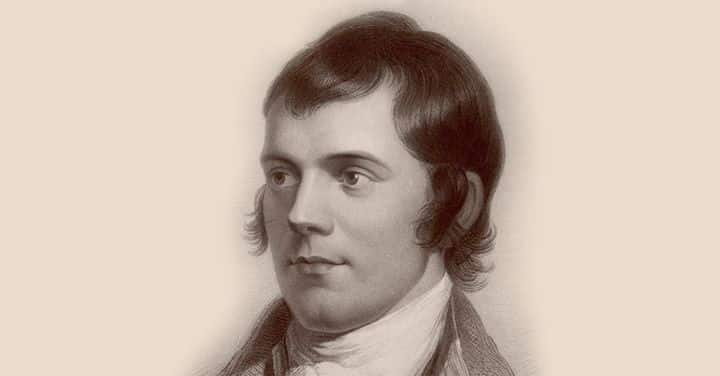
Robert Burns
Robert Burns – image from BBC Robert Burns

Oh, wad some power the giftie gie us
To see oursel’s as others see us!
It wad frae monie a blunder free us
And foolish notion:
What airs in dress an’ gait wad lea’e us,
And e’en devotion!

To A Louse ( On Seeing One on a Lady’s Bonnet at Church)”  Robert Burns 1786.  
From the Ontario Reader: The High School Reader 1886 (1)

Everyone of Scottish descent in nineteenth-century Canada would have known some lines from Robert Burns. My Heart’s in the Highlands (1789) would have been a favourite for the Flemings, whose Scottish homeland was Perthshire in the Highlands.

My heart’s in the Highlands, my heart is not here;
My heart’s in the Highlands a-chasing the deer;
A-chasing the wild-deer, and following the roe,
My heart’s in the Highlands wherever I go.

Burns’s Night

The Fleming family would surely have celebrated Robert Burns’s birthday on January 25. To this day members of the Scottish diaspora (and their associates) around the world gather for an evening of bagpipes, music, highland dance, recitation of Burns’s poems, and the traditional dinner of haggis, neeps (turnips) and tatties (potatoes). A Scottish friend has provided this account of the event.

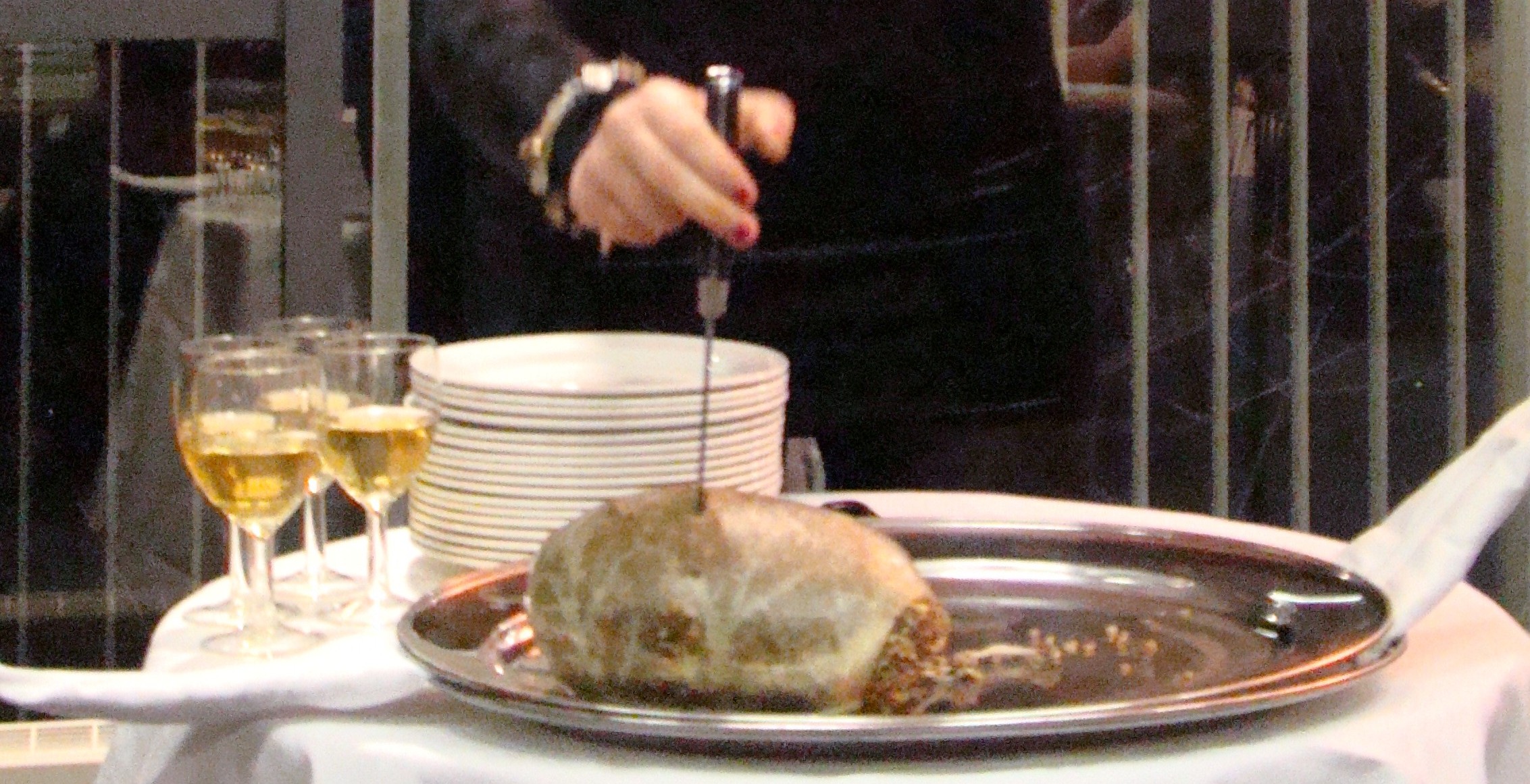
The haggis is piped in, borne aloft and accompanied by various officials and dignitaries and the Whisky Bearer. Then the Maister o’ Ceremonies intones 

“My lords, ladies and gentlemen! Pray silence for our Haggis Maister Scottie MacKiltface who will salute our guest-of-honour before disemboweling it with the dirk tucked neatly into his right-legged Highland hose.”

Picture of haggis on a serving plate being pierced by a dagger. Drams of whiskey are in four small glasses nearby.
Cutting the Haggis (2)

Address to a Haggis:

Fair fa’ your honest, sonsie face,
Great chieftain o the puddin’-race!
Aboon them a’ ye tak your place,
Painch, tripe, or thairm:
Weel are ye wordy o’ a grace
As lang’s my arm.


Continue reading