A family history of the Flemings who came from Perthshire in 1843 to settle in Derby Township, Grey County. We follow the family into the mid 1900s as they dispersed across North America..
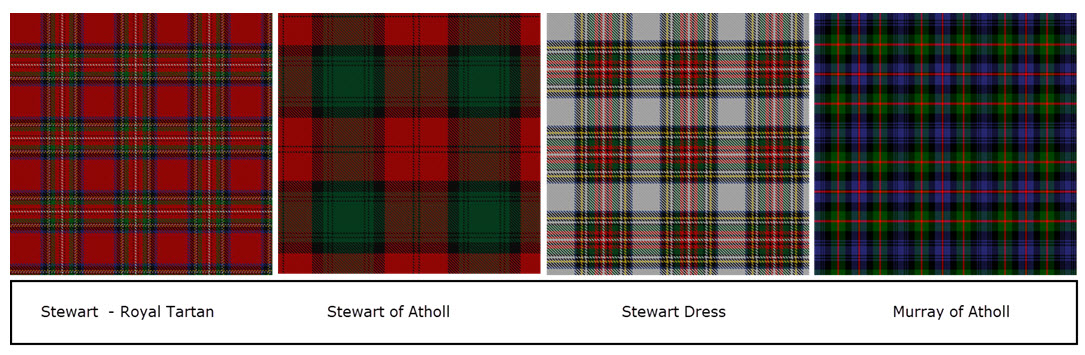
Further, Scottish clan maps do not list a Fleming clan. We note, however, that the clans Stewart and Murray are present in the Perthshire area, where Alexander Fleming and his wife, Jean Stewart, lived in the early 1800s. See the Scottish clan map on Wikipedia.
What are tartans, and why are they associated with clans?
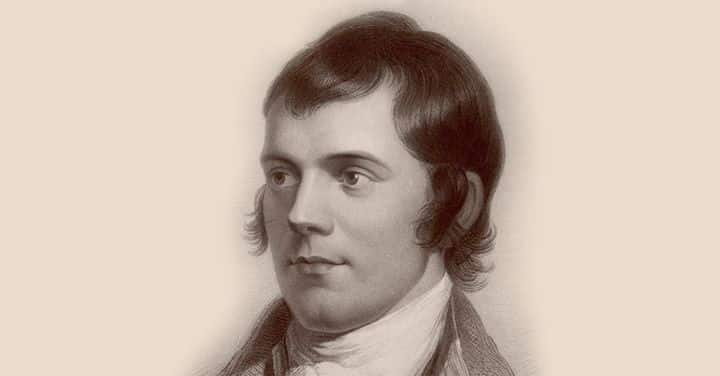
Oh, wad some power the giftie gie us To see oursel’s as others see us! It wad frae monie a blunder free us And foolish notion: What airs in dress an’ gait wad lea’e us, And e’en devotion!
“To A Louse ( On Seeing One on a Lady’s Bonnet at Church)” Robert Burns 1786. From the Ontario Reader: The High School Reader 1886 (1)
Everyone of Scottish descent in nineteenth-century Canada would have known some lines from Robert Burns. My Heart’s in the Highlands (1789) would have been a favourite for the Flemings, whose Scottish homeland was Perthshire in the Highlands.
My heart’s in the Highlands, my heart is not here; My heart’s in the Highlands a-chasing the deer; A-chasing the wild-deer, and following the roe, My heart’s in the Highlands wherever I go.
Burns’s Night
The Fleming family would surely have celebrated Robert Burns’s birthday on January 25. To this day members of the Scottish diaspora (and their associates) around the world gather for an evening of bagpipes, music, highland dance, recitation of Burns’s poems, and the traditional dinner of haggis, neeps (turnips) and tatties (potatoes). A Scottish friend has provided this account of the event.
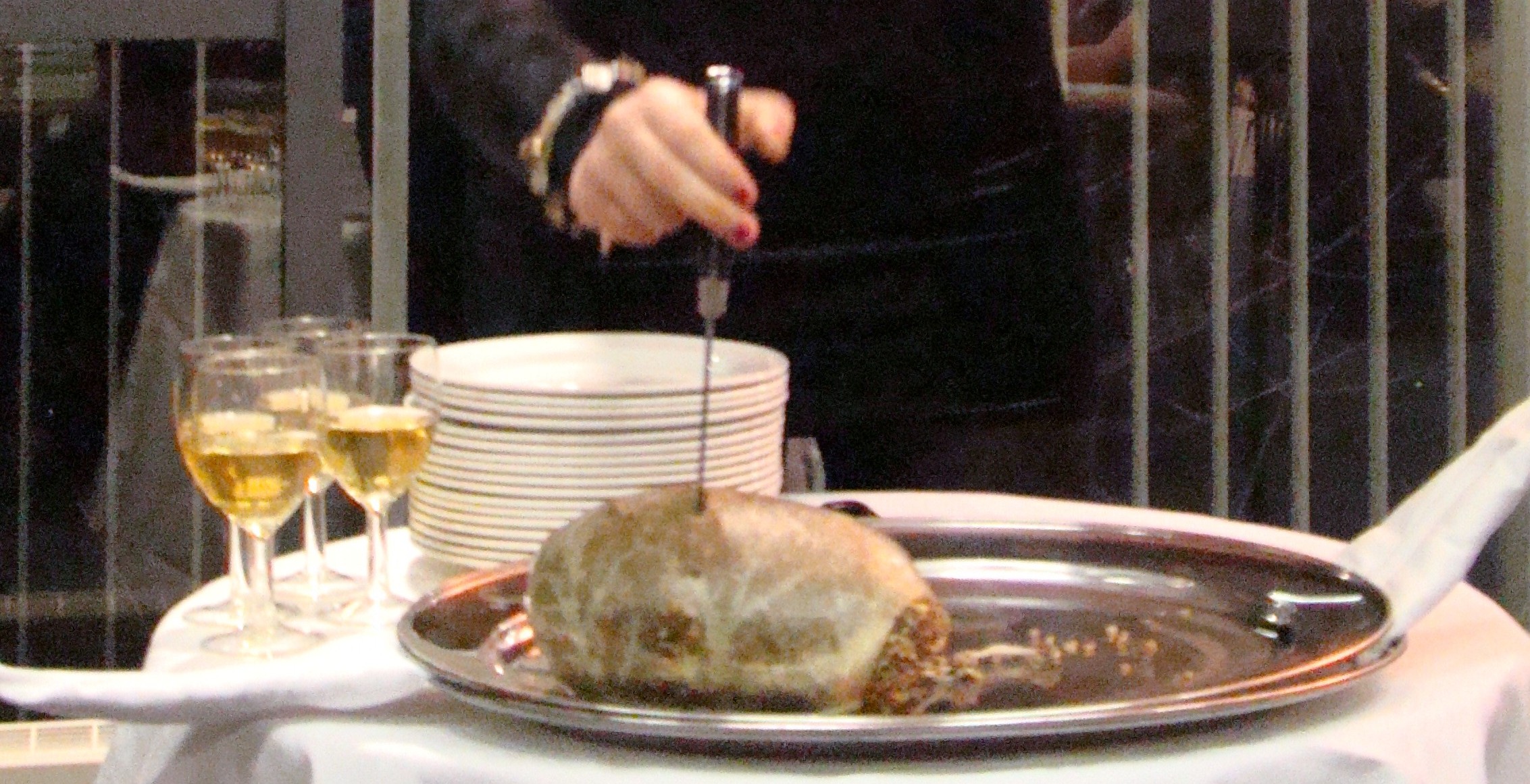
The haggis is piped in, borne aloft and accompanied by various officials and dignitaries and the Whisky Bearer. Then the Maister o’ Ceremonies intones
“My lords, ladies and gentlemen! Pray silence for our Haggis Maister Scottie MacKiltface who will salute our guest-of-honour before disemboweling it with the dirk tucked neatly into his right-legged Highland hose.”
Cutting the Haggis (2)
Address to a Haggis:
Fair fa’ your honest, sonsie face, Great chieftain o the puddin’-race! Aboon them a’ ye tak your place, Painch, tripe, or thairm: Weel are ye wordy o’ a grace As lang’s my arm.

 The Flemings of Derby Township
