Flemings of Derby Township – Prepublication

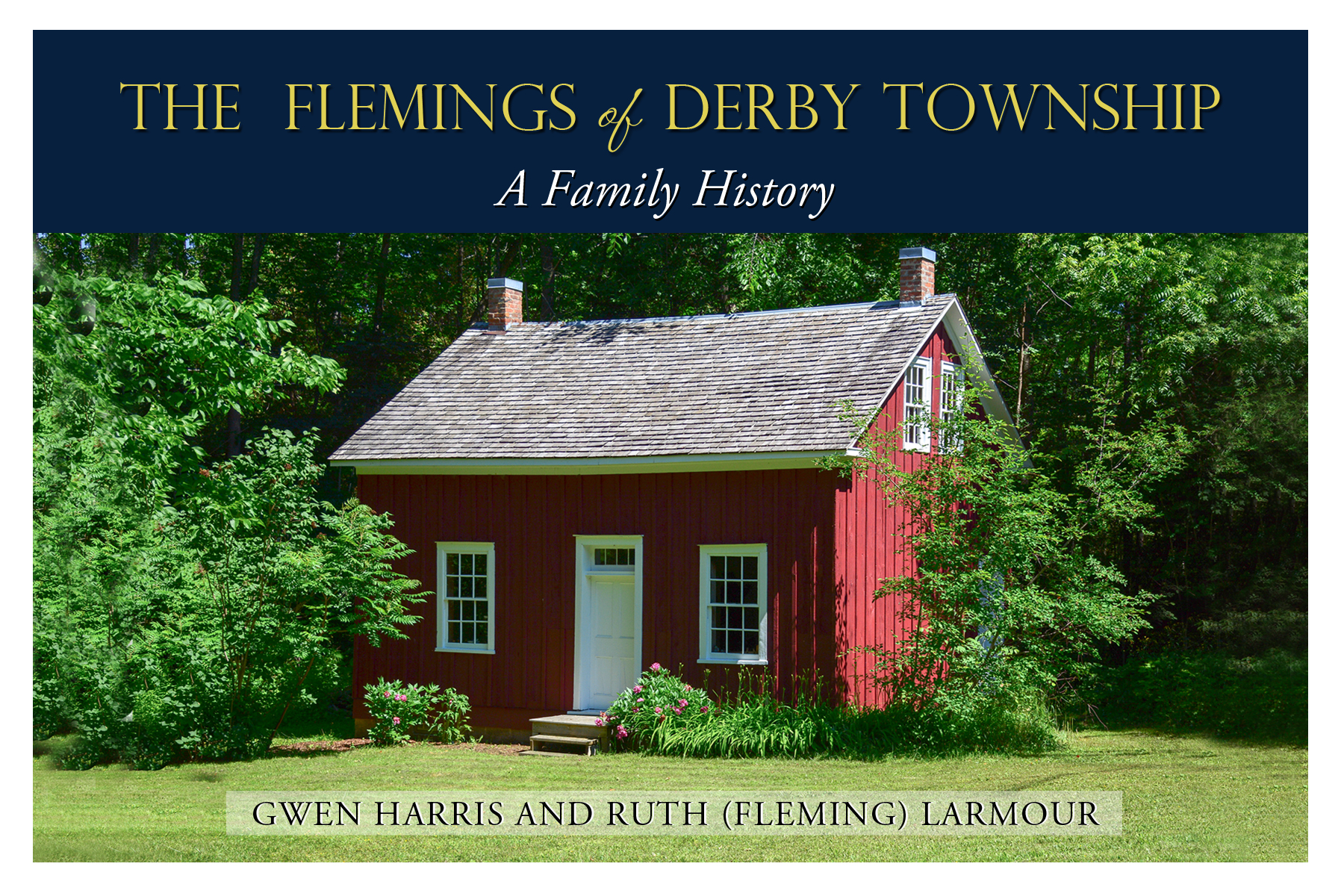
Good news – the family history about the Flemings of Derby Township is nearly ready for the printer.  We expect to ship the book in late October 2022 (changed from early).

The book is a comprehensive account of the family of Alexander Fleming and Jean Stewart who emigrated from Perthshire to Canada West in 1843 and settled in Derby Township, Grey County, in 1850. Their stories show the spirit and resolve of the Scottish migrants to shape lives with more opportunities for their children. This narrative describes the Flemings’ Scottish roots, the perils of emigration, pioneering life in Derby Township, Grey County, and the lives of their nine children and grandchildren around the turn of the century as they undertook new travels and challenges.

Sources include Ruth (Fleming) Larmour’s extensive collection of stories and papers, contributions by other Fleming descendants, genealogical records, land records, and many other historical sources in archives and libraries. This wealth of information led to a large book that is richly illustrated, extensively sourced, and complete with name index and subject index. The table of contents will provide a view of the coverage in this book.

This is a limited edition with a pre-publication price of $70 Canadian (plus shipping if needed) payable by cheque or etransfer. Please order by August 8 (changed from July 25, 2022), if you would like a copy at this favourable price.

Why would you buy this book?

  • Alexander Fleming and Jean Stewart are in your family tree.
  • One of your ancestors came to Canada from the Scottish Highlands in the 1800s.
  • You would like to learn more about the Fleming Family of Kilsyth and Owen Sound, Grey County.
  • You are interested in pioneer life in Ontario in the 1800s.
  • Your family lived in Vaughan Township, Derby Township, or Owen Sound in the 1800s.
  • You enjoy reading family histories with illustrations and personal accounts from the times.

Contact us through the button in the menu bar or by posting a comment.
Roy F. Fleming: Writings about First Nations

Teacher, artist, photographer, historian, researcher— of these pursuits Roy may have loved the study of history the most.

Born in Kilsyth, Derby Township, in 1878, son of Charles Fleming and grandson of Alexander Fleming, Roy Franklin Fleming  (1878-1958) had deep roots in Grey County where the Fleming family were pioneering settlers in the 1850s. He was almost destined to become an educationist— a specialist in education as he described himself— due to the Fleming family’s attention to education.

After formative years in the Normal School system in Ontario and several teaching assignments, Roy enrolled in the New York School of Art in 1905. Two years later (1907) he was appointed drawing master at the Ottawa Model School (later Ottawa Normal School).  For many, this might have been sufficient, but Roy’s intense interest in the history of Ontario and especially in the Great Lakes and the indigenous people led him into many other endeavours.

His love of history began with a childhood filled with stories about the Scottish homeland and the emigration to Canada. As a young teacher in Sheguiandah, Manitoulin Island in 1899, his curiosity about local history and native peoples deepened as he came to know the Assiginack family—Blackbird in English. In the years following he undertook further research to write about the oratorical skills and military genius of Sahgimah and Assiginack and bring recognition to both.

In January 1935 The Daily Sun Times published his long article—“Ottawas Defeated Invading Mohawks at Blue Mountain”—with the lengthy  subtitle “Contingent of Warriors from Owen Sound, Saugeen, and Meaford Indian Villages Aided  Ottawas and Objibways (sic)  of Manitoulin Island Massacre Invading Iroquois —Chief Sahgimah Led Indians of This District in Bloody Battle.” (1)

Continue reading

Robbie Burns Day –January 25

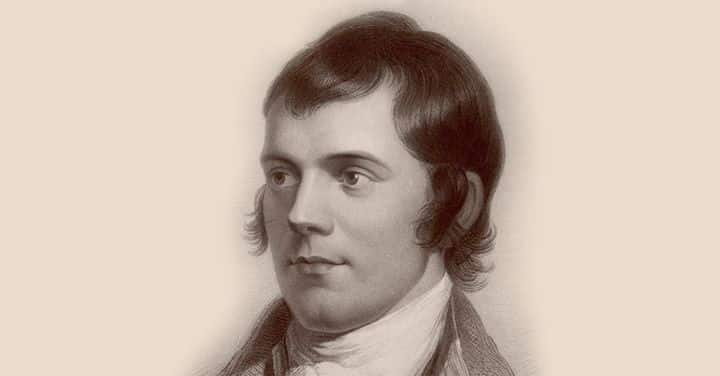
Robert Burns
Robert Burns – image from BBC Robert Burns

Oh, wad some power the giftie gie us
To see oursel’s as others see us!
It wad frae monie a blunder free us
And foolish notion:
What airs in dress an’ gait wad lea’e us,
And e’en devotion!

To A Louse ( On Seeing One on a Lady’s Bonnet at Church)”  Robert Burns 1786.  
From the Ontario Reader: The High School Reader 1886 (1)

Everyone of Scottish descent in nineteenth-century Canada would have known some lines from Robert Burns. My Heart’s in the Highlands (1789) would have been a favourite for the Flemings, whose Scottish homeland was Perthshire in the Highlands.

My heart’s in the Highlands, my heart is not here;
My heart’s in the Highlands a-chasing the deer;
A-chasing the wild-deer, and following the roe,
My heart’s in the Highlands wherever I go.

Burns’s Night

The Fleming family would surely have celebrated Robert Burns’s birthday on January 25. To this day members of the Scottish diaspora (and their associates) around the world gather for an evening of bagpipes, music, highland dance, recitation of Burns’s poems, and the traditional dinner of haggis, neeps (turnips) and tatties (potatoes). A Scottish friend has provided this account of the event.

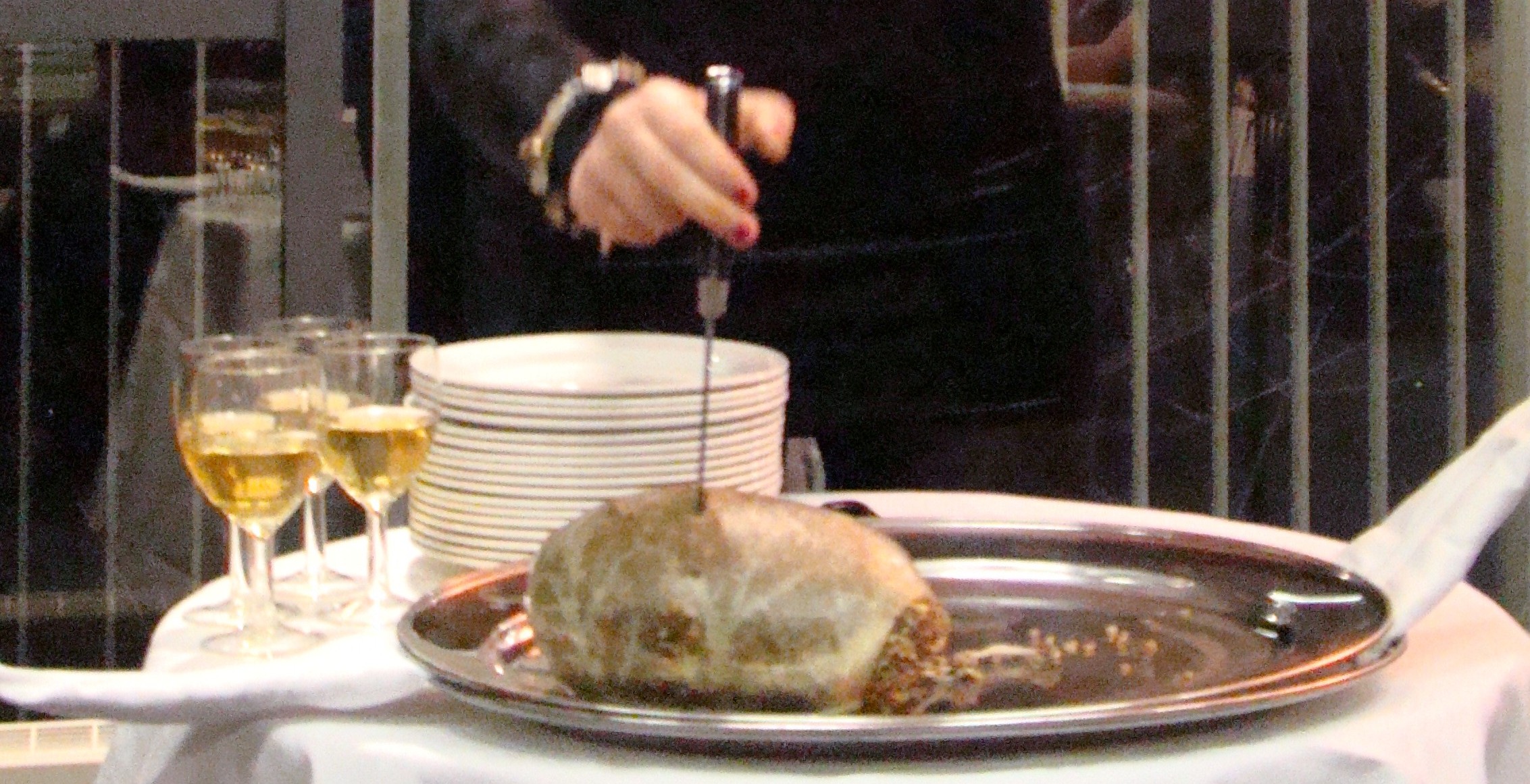
The haggis is piped in, borne aloft and accompanied by various officials and dignitaries and the Whisky Bearer. Then the Maister o’ Ceremonies intones 

“My lords, ladies and gentlemen! Pray silence for our Haggis Maister Scottie MacKiltface who will salute our guest-of-honour before disemboweling it with the dirk tucked neatly into his right-legged Highland hose.”

Picture of haggis on a serving plate being pierced by a dagger. Drams of whiskey are in four small glasses nearby.
Cutting the Haggis (2)

Address to a Haggis:

Fair fa’ your honest, sonsie face,
Great chieftain o the puddin’-race!
Aboon them a’ ye tak your place,
Painch, tripe, or thairm:
Weel are ye wordy o’ a grace
As lang’s my arm.


Continue reading

All Hallow’s Eve, A Celtic Tradition

Did the Fleming families, who settled near Kilsyth, Derby Township, in the mid-1800s, partake in the Scottish tradition of All Hallow’s Eve?  Hard to know.  There is no mention of Halloween in family papers. As Disciples of Christ, they would have disapproved of pagan practices of ghouls and ghosts and the connection to the occult. But they may have retained something of the “All Saints” day on November 1 to remember the departed faithful.

Modern day, inflated plastic pumpkin - lawn ornament. 2021
Inflated plastic, artificially lit pumpkin 2021

We may think of Halloween as a North American excuse for spooky lawn decorations, jack o’lantern competitions, and costume dress-up for children going from door to door to get candy.  But Halloween has been much more, with traditions of bonfires and spirits more frightening than the inflated, lit, plastic ghosts we see today.

Halloween has its origins in Samhain (pronounced SAH-wane), a Celtic festival at the end of October when the spirit world became visible. The celebration marked the end of harvest and the beginning of winter and was an occasion to commune with the Otherworld – when spirits and faeries and the souls of the dead mixed with the living. Big bonfires kept people safe from the visiting evil spirits. Lanterns were fashioned by hollowing out turnips, carving scary features, and placing a lit candle inside to cast light and safety.  Children, to hide from the spirits, would go “guising” in costumes undercover as the malicious ones. Adults might do the same.  A song or a trick or just knocking on a neighbour’s door might earn them a treat.  For a game, they might bob for apples. (1,2,3)

Robert Burns recognized Halloween in his poem of that name in 1785. The first verse (in English translation) caught the night’s excitement of moonlight and movement.

Continue reading

Ontario Township Papers ca 1783-1870

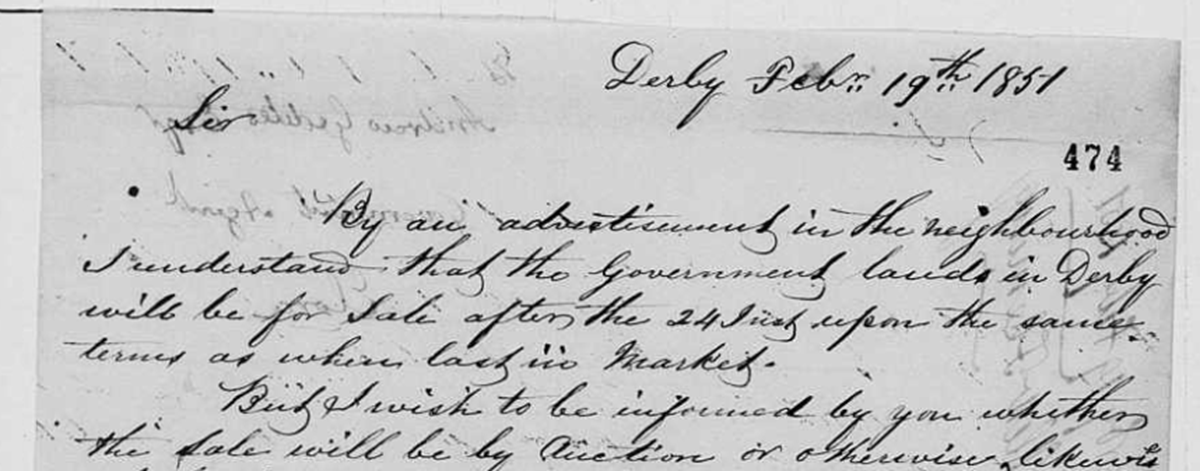
Announcements of newly digitized archival materials are always a pleasant surprise. In November 2020 genealogy blogs active in Ontario publicized that Family Search had loaded the Township Papers  ca 1783-1870 for the Province of Ontario held  on reels of  microfilm at the Archives of Ontario. These reels consist of a mélange of land-related documents not filed elsewhere. Archives of Ontario described  them as follows:

… copies of orders-in-council; copies of location certificates and location tickets; copies of assignments; certificates verifying the completion of settlement duties; copies of receipt; copies of descriptions; and copies of patents; and copies of incoming correspondence.

Township Papers – Archives of Ontario

My objective was to see what can be found about the Fleming families who pioneered in Derby Township, Grey County in the 1850s.

The papers are organized alphabetically by township.  Access at Family Search is through these two links.

We begin with Derby Township, identified on two lines on the image below. Click on the camera icon to view a gallery of images for the letters of that township organized by concession and lot.

UPDATE 12 April 2021 – I explored the Derby Township papers in late March. On preparing this blog post I found that townships from D to Haldimand had been dropped. This is probably a temporary glitch. Hopefully, your interest will be in one of the other townships.

Continue reading